
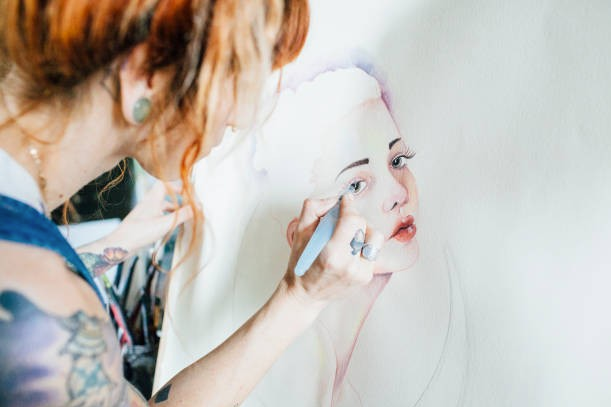
A favorite photograph can hold a moment worth keeping, but turning it into a watercolor portrait takes more than simply sending an image to an artist. The quality of the reference photo, the artist’s style, and the details you communicate can all shape how the finished piece feels. Some photographs translate beautifully into watercolor, while others may need thoughtful adjustments to composition, lighting, or background. Choosing the right artist is just as important because every painter interprets photographs differently. Before commissioning watercolor portraits, it helps to know what makes both the artist and reference image a strong match. Here is where to begin:
An artist’s portfolio provides valuable insight into their experience with custom portrait commissions. Look for previous projects featuring individuals, couples, families, or pets, depending on the subject you want painted.
Examine how accurately the artist captures facial proportions, unique characteristics, and overall resemblance. These elements demonstrate their ability to create portraits that reflect the subject’s identity.
When reviewing watercolor portraits, look for close-up photographs that reveal paper texture, natural brushwork, and pigment variations. Such details can help distinguish genuine hand-painted artwork from digital reproductions and provide confidence in the artist’s craftsmanship.
Watercolor portraiture encompasses several artistic approaches, each with distinct visual characteristics. Realistic paintings emphasize lifelike representation, while impressionistic techniques feature loose brushstrokes and spontaneous pigment movement. Minimalist illustrations often incorporate simplified outlines and restrained color palettes.
Transparent washes create delicate layers, whereas wet-on-wet techniques produce fluid transitions and diffused edges. Understanding these differences helps identify an approach that reflects your personal taste.
For home art, consider whether the painter’s signature style complements your interior decor. Contemporary spaces may suit minimalist illustrations, while traditional interiors can accommodate detailed, classical interpretations.
Customer testimonials reveal how an artist manages professional responsibilities throughout the purchasing process. Consult verified marketplace reviews, independent feedback platforms, and detailed accounts from previous clients.
Look for information on response times, order confirmations, and customer inquiry handling. Comments describing delayed deliveries or unresolved complaints deserve particular attention.
When purchasing watercolor portraits, examine whether clients received timely order notifications and whether shipments arrived safely. Feedback that covers the complete purchasing experience provides a more reliable assessment of service quality than brief ratings or promotional endorsements alone.
Commission costs vary according to physical dimensions, the number of subjects, materials, and the complexity of additional details. Larger paintings or elaborate decorative elements may require more labor and increase the final amount.
Before purchasing a commissioned painting, distinguish between original artwork, printed reproductions, and digitally produced illustrations. Each option differs in format, materials, and ownership of the physical piece.
Request an itemized quotation identifying paper specifications, framing availability, packaging costs, and shipping charges. Confirm the required deposit, accepted payment methods, and final balance arrangements to avoid unexpected financial obligations.
An artist’s production schedule depends on their current workload and the time required to complete individual commissions. Request an estimated start date, completion window, and dispatch schedule before placing your order.
For special occasions, establish a deadline that accounts for potential shipping delays.
Ask whether preliminary sketches are available for approval and identify the point after which alterations become impractical. Unlike digital illustrations, traditional watercolor paintings offer limited opportunities for correcting dried pigment. Review the artist’s policies regarding revisions, cancellation, and additional modification charges before authorizing production.
How to Choose the Best Reference Image for Watercolor Portraits from Photos
High-resolution photographs remain sharp when enlarged, making them suitable for detailed portrait commissions. Select original image files without visible pixelation, motion blur, or distracting digital artifacts.
Avoid screenshots and heavily compressed downloads because they may contain distorted edges or missing textures. Excessive sharpening can also produce artificial outlines that interfere with accurate interpretation.
For specialized artwork, such as a dog painting, a clear image allows the artist to distinguish intricate coat patterns and individual fur markings. Before submitting your reference, ask which file formats and minimum image dimensions the painter recommends.
Photographic lighting determines how highlights and shadows define the subject’s three-dimensional form. Soft daylight generally creates gradual tonal transitions, making the relationship between illuminated and shaded areas easier to interpret.
Avoid strong backlighting, direct flash reflections, and mixed artificial light sources that produce conflicting color temperatures. These conditions can introduce unnatural color casts or flatten the appearance of facial contours.
For watercolor portraits, photographs taken during overcast daylight or near a window often provide suitable lighting conditions. Choose an image without colored filters or excessive exposure adjustments to preserve the subject’s natural appearance and original skin tones.
Facial expressions shape the emotional impression conveyed by a painted portrait. A genuine smile, contemplative gaze, or playful reaction can communicate an individual’s character more effectively than a conventional posed photograph.
Body language adds another dimension. A relaxed stance may suggest familiarity, while an upright posture can convey confidence or formality.
Consider the personal significance of the moment being depicted. Photographs taken during celebrations, reunions, or everyday interactions can preserve associations that matter to the recipient. Choose an expression and gesture that reflect how you want the person remembered.
A photograph’s surroundings influence the overall presentation of the finished artwork. Neutral settings offer a restrained appearance, whereas meaningful locations can provide context about personal experiences or interests.
Determine whether environmental elements contribute to the portrait’s purpose. Unnecessary objects can be omitted, while significant architectural features or scenery may be retained to preserve the original setting.
Check how the photograph fits the intended horizontal, vertical, or square format. Adequate margins and thoughtful cropping help watercolor portraits maintain visual balance, particularly when the finished piece will be displayed in a standard-sized frame.
Combining individual photographs allows you to commission a group portrait when no shared image exists. This option can bring together family members living in different locations or create commemorative artwork featuring loved ones from separate moments.
Choose source images with reasonably compatible camera perspectives and subject proportions. Significant differences may require the painter to reconstruct certain elements for a convincing result.
Specify the relative placement of each individual and provide a simple arrangement guide if necessary. Before proceeding, verify that the artist accepts composite commissions and can integrate separate subjects into a unified scene.
A meaningful portrait begins with thoughtful choices that connect your vision with an artist’s creative expertise. Reviewing previous artwork, understanding commission details, and selecting suitable photographs can help transform an ordinary image into a cherished keepsake.
The beauty of watercolor portraits lies in their delicate textures, expressive colors, and ability to preserve personal memories through artistic interpretation. Whether you are celebrating a loved one, honoring a pet, or decorating your living space, a carefully commissioned piece can hold lasting sentimental value.
Ready to give your favorite photograph an artistic touch? Explore custom artwork for people and pets at Brown Chameleon Art and Design, and discover creative ways to turn meaningful moments into personalized art you can treasure for years.
Can watercolor portraits be created from old photographs?
Yes. Artists can work from older images if important facial features remain visible, although damaged photographs may require additional interpretation.
What size should I choose for a custom watercolor portrait?
Consider the number of subjects, available display space, and preferred framing dimensions before selecting an appropriate artwork size.
Can I request specific colors in my watercolor painting?
Many artists accommodate color preferences, provided the requested changes align with their painting style and the agreed-upon commission requirements.
Are watercolor portraits suitable for personalized gifts?
Yes. Custom portraits make thoughtful gifts for birthdays, anniversaries, weddings, memorials, and other occasions with special personal significance.
How should I preserve an original watercolor portrait?
Use UV-protective glazing, acid-free mounting materials, and appropriate framing. Keep the artwork away from direct sunlight, moisture, and excessive humidity.