
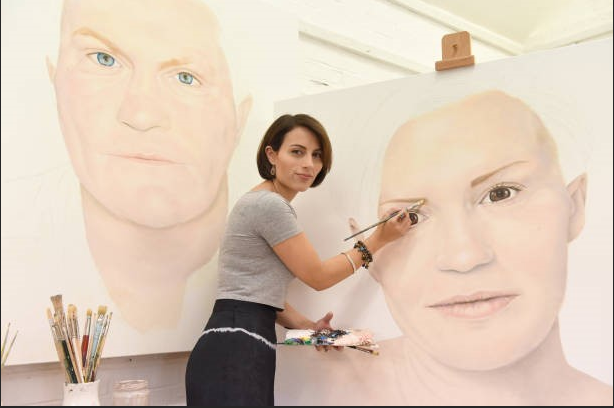
A custom portrait commission often feels most exciting when the first version begins to take shape, but that is also when new questions can surface. You may notice a detail you had not considered before, wonder whether something can still be adjusted, or feel unsure about when to speak up.
Revisions can seem simple from the outside, yet the process often involves more than changing a few visible details. The timing, medium, and type of request can all influence what happens next.
That is why knowing how revisions usually unfold can make the experience feel far less uncertain. Read on to see what typically happens during revisions and how to handle each step with confidence.
Early Proofs Show the Direction
Many artists share a sketch or work-in-progress image before completing a custom portrait commission. This gives you a chance to check the pose, placement, proportions, and overall likeness before adding detailed work.
The Proof Will Look Unfinished
Early proofs may appear lighter, flatter, or less detailed than the final portrait. Focus on the elements the artist wants you to review, such as composition and likeness, rather than expecting finished color or texture.
Minor Revisions: Refine Details
Minor changes usually improve existing elements without altering the approved concept. These may include:
Major Revisions Change the Brief
A custom portrait commission may require significant reworking if you change the pose, replace the main reference, add another subject, or restructure the composition.
These requests go beyond simple corrections because they alter the original creative direction.
Give Structural Feedback Early
Early review stages are best for correcting spacing, facial proportions, cropping, pose, and subject placement.
Reviewing these elements carefully helps prevent larger corrections later in the custom portrait commission process.
Save Fine Details for Later
Once the main structure is approved, later feedback can focus on smaller refinements, such as color intensity, highlights, clothing details, or background balance.
This keeps each review stage focused and useful.
Policies Differ by Artist
There is no standard number of revision rounds. Some artists offer one formal review, while others include several checkpoints.
Always check how many rounds are included before the project begins.
Each Round Has a Clear Endpoint
A revision round usually begins when the artist sends a proof and ends after the agreed-upon adjustments are completed.
Any new requests submitted afterward may count as another round, depending on the artist’s policy.
Be Specific About What Needs Changing
Instead of saying that something “doesn’t look right,” identify the exact feature. For example, explain that the smile appears too broad or the jawline looks sharper than in the reference.
Specific comments make a custom portrait commission easier to refine accurately.
Use the Best Reference Photo
Point to the image that most clearly shows the feature you want adjusted. This is especially helpful for child portraits, where small differences in expression, face shape, or hairline can affect likeness.
Keep Feedback Organized
Group comments by area, such as:
This makes your revision request easier to follow.
Watercolor Has Natural Limits
Artists completing watercolor commissions work with transparent pigments that absorb into the paper. Darker washes can be difficult to remove, and repeated reworking may affect the surface.
Pencil and Charcoal Allow Selective Changes
These media can often be erased or redrawn, although heavily worked areas may leave residue or show signs of repeated correction.
Acrylic and Oil Allow More Coverage
Opaque paint can be repainted more easily, but changes may still require adjustments to surrounding shadows, edges, and colors.
Digital Art Still Requires Redrawing
Digital tools make some edits easier, but changing facial features, poses, or composition still requires time and artistic skill.
Larger Changes May Extend Completion
Major reworking can add time for drawing, painting, drying, framing, or preparation to a custom portrait commission. Delayed feedback may also shift the delivery schedule.
New Ideas May Count as Additional Work
With personalized art, seeing the portrait develop can inspire new preferences. Requests for different clothing, extra objects, or a new background may be treated as additions rather than corrections.
A New Quote May Be Required
If a change significantly increases the workload or materials needed, the artist may provide an updated price before continuing.
Finishing Work Comes Next
After approval, the artist may complete final highlights, texture, signing, protective finishing, drying, and packaging.
A Final Image May Be for Confirmation Only
Some artists send a final photo or scan before shipping. This usually confirms completion rather than opening another full revision round.
Further Changes May Not Be Possible
Once a custom portrait commission is signed, sealed, framed, or shipped, further alterations may be very limited.
This is particularly true for original watercolor art, where repeated changes can affect both pigment and paper.
A custom portrait commission becomes easier to navigate when you understand how revisions fit into the creative process. The goal is not to keep changing the artwork indefinitely, but to refine key details while respecting the artist’s method and the medium’s limits. Thoughtful feedback, realistic expectations, and a clear understanding of revision policies can make the experience more organized and enjoyable.
It also helps you recognize when a request is a correction, a creative preference, or a larger change in scope. When both sides communicate clearly, the final portrait is more likely to feel personal, polished, and true to the original vision.
Discover meaningful custom artwork and commission options at Brown Chameleon.
Can I request revisions if the portrait is being made as a gift?
Yes. The person who commissioned the portrait can usually provide feedback, even if the final artwork is intended for someone else.
Can I change the reference photo after the artist has started?
Sometimes, but it depends on how far the work has progressed. A new reference may change the composition, lighting, or likeness, and could require additional work.
What if I notice a problem after approving the final proof?
Contact the artist as soon as possible. Whether a change can still be made depends on the medium, finishing stage, and commission policy.
Do revision photos always show the exact final colors?
Not necessarily. Screen brightness, lighting, and photography can make colors appear slightly different from the physical artwork.
Should several family members provide feedback on a single portrait?
It is usually better for one person to collect everyone’s comments and send one clear response. This helps avoid conflicting instructions.